AIIMS Bhopal Study-Parents Overlook Environmental Aspect While Choosing Toys

AIIMS Bhopal Study-Parents Overlook Environmental Aspect While Choosing Toys
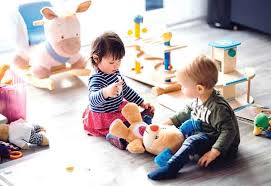
Bhopal. A postgraduate student of MSc Pediatric Nursing at AIIMS Bhopal College of Nursing, Pragati Kumari, conducted a study under the guidance of the institute’s faculties. The study found that most parents give very little importance to the environmental impact while selecting toys for their children. While parents tend to prioritise factors like price, durability, visual appeal, and safety, the choice of eco-friendly toys is rarely considered. The study focused on identifying the factors influencing toy selection for children up to five years of age. It was carried out in the Barkheda Pathani area of Bhopal, involving 251 parents selected through convenient sampling. Findings showed that the key factors influencing parents’ choices included price (66.9%), durability (56.6%), visual appeal (48.2%), age appropriateness (45.4%), safety concerns such as small parts or sharp edges (43.4%), aesthetic value (37.8%), the child’s abilities (36.7%), and interests (34.7%). Developmental and educational aspects, like promoting physical activity (34.3%) and encouraging social interaction (32.7%), were also considered. However, environmental impact influenced decisions in only 64.1% of cases, indicating a lack of awareness or attention to eco-friendly options. Other factors, such as the child’s gender (33.1%), toy popularity (33.5%), and size (32.3%), had relatively less influence. Parents’ decisions were also shaped by the child’s age, gender, the age of the parent, the main decision-maker in the household, number of children, family structure, and socio-economic status. Experts believe these findings can guide parents, healthcare providers, teachers, social workers, and toy manufacturers in designing and choosing toys that are not only developmentally appropriate but also environmentally friendly. They stress that including environmental considerations in toy selection can support children’s healthy development while contributing to environmental conservation.
******************************









 इटली की पीएम मेलोनी ने भारतीय झुमके पहनकर दिया राष्ट्रपति ट्रंप को करारा जवाब!
 माली की राजधानी बमाको समेत कई शहरों में धमाके व गोलीबारी
 भीषण गर्मी में उज्जैन में भगवान की खास सेवा, कहीं मलय पर्वत का चंदन लेप तो कहीं AC और शीतल भोग के इंतजाम
 यहां दर्शन मात्र से दूर होते हैं नेत्र रोग, गोंडा के इस शक्तिपीठ में प्रतिमा की नहीं सुरंग की होती है पूजा
 मिस्र की यह तीसरी आंख मिटा देगी हर बुरी बला, जानें क्या है 'होरस की आंख' का प्राचीन रहस्य?